
Creating an indoor garden is a wonderful way to bring life, color, and fresher air into your living space. Whether you have a sprawling sunroom, a cozy corner, or just a few windowsills, adding greenery can enhance your home environment in many ways. Indoor plants not only improve air quality by filtering toxins but also boost mood and improve aesthetics.
If you’re inspired to start your own indoor garden but aren’t sure where to begin, this guide will walk you through essential tips to help you cultivate a healthy, thriving green space inside your home.
Benefits of an Indoor Garden
Before diving into the how-to, it’s helpful to understand why indoor gardens are worth the effort:
– Improved Air Quality: Plants absorb carbon dioxide and release oxygen, and some can even remove harmful toxins like benzene and formaldehyde.
– Enhanced Mood and Productivity: Being around greenery can reduce stress and increase focus.
– Natural Humidifiers: Plants release moisture through transpiration, which can help maintain humidity levels in dry indoor environments.
– Aesthetic Appeal: Plants bring vibrant colors and varied textures that complement any home decor.
Choosing the Right Plants for Air Quality
Not all plants are equally effective at improving air quality. When selecting plants for your indoor garden, consider these popular air-purifying varieties:
– Spider Plant (Chlorophytum comosum): Easy to grow and great at filtering pollutants.
– Snake Plant (Sansevieria trifasciata): Tolerant to low light and helps remove toxins.
– Peace Lily (Spathiphyllum): Known for its beautiful white flowers and air-cleaning properties.
– Boston Fern (Nephrolepis exaltata): Adds lush greenery and helps humidify the air.
– Aloe Vera: Besides its healing properties, it purifies the air.
Tips for Setting Up Your Indoor Garden
1. Assess Your Space and Lighting
Start by evaluating how much natural light your chosen location receives. Different plants require different amounts of sunlight:
– Bright, direct light: Ideal for succulents and cacti.
– Indirect light: Suitable for ferns, peace lilies, and snake plants.
– Low light: Good for pothos, philodendrons, and ZZ plants.
If natural light is limited, consider growing plants with low-light tolerance or use grow lights to supplement.
2. Choose Suitable Containers
Picking the right pots is vital for plant health:
– Drainage: Choose pots with drainage holes to avoid waterlogging roots.
– Material: Terracotta pots allow better airflow, while ceramic pots retain moisture longer.
– Size: Pick containers slightly larger than the plant’s root ball to allow growth.
Adding a layer of small stones or activated charcoal at the bottom can help prevent excess moisture buildup.
3. Use Quality Soil and Fertilizers
For indoor gardening, use a potting mix designed specifically for houseplants. This ensures proper drainage and aeration. Avoid using outdoor garden soil, which may be too dense or contain pests.
Feed your plants with a balanced, water-soluble fertilizer during the growing season (spring and summer). Follow the instructions carefully to prevent over-fertilizing.
4. Watering Wisely
Overwatering is a common mistake. Each plant has its own water needs, so researching your specific varieties is important. A good rule of thumb:
– Check the top inch of soil; if it’s dry, it’s time to water.
– Water thoroughly, allowing excess to drain out.
– Reduce watering in winter when growth slows down.
5. Maintain Proper Humidity and Temperature
Most indoor plants thrive in temperatures between 65°F and 75°F. Dry indoor air, especially in winter, can stress plants, so consider:
– Grouping plants together to create a microenvironment.
– Using a humidifier or placing water trays nearby.
– Regularly misting plants that benefit from higher humidity.
6. Regular Maintenance
To keep your indoor garden flourishing:
– Dust leaves gently with a damp cloth to ensure efficient photosynthesis.
– Trim dead or yellowing leaves to encourage new growth.
– Repot plants when they outgrow their containers.
– Keep an eye out for pests like spider mites or aphids and treat them promptly.
Creating an Indoor Garden Layout
Your indoor garden can be as simple or elaborate as you like. Here are some ideas:
– Windowsill Garden: Great for herbs and smaller plants.
– Shelf Displays: Use tiered shelves to showcase various plants.
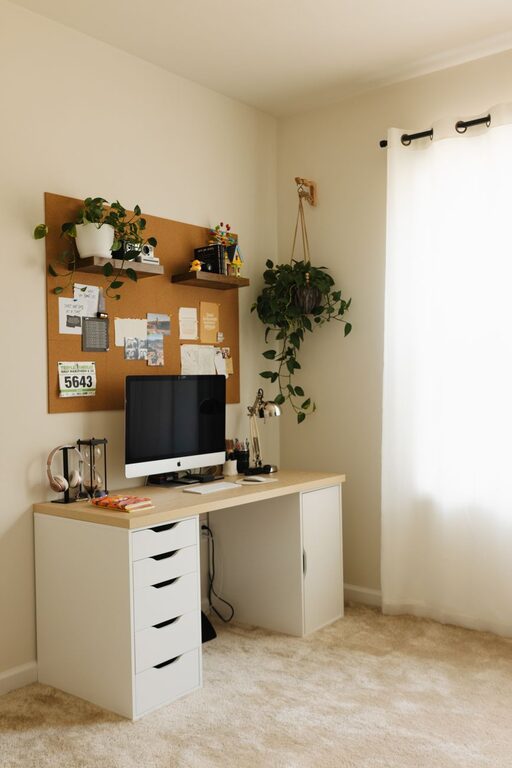
– Hanging Planters: Save space with macramé or wall-mounted hanging pots.
– Plant Corners: Dedicate a section of a room with larger pots and floor stands.
Mixing plants with different heights, textures, and colors creates visual interest and a dynamic green space.
Final Thoughts
Starting an indoor garden doesn’t have to be complicated or expensive. With a little planning and care, you can enjoy the benefits of cleaner air and a more inviting home environment. Remember, patience is key—plants need time to grow and settle into their new homes.
Try experimenting with a variety of plants to find your favorites, and enjoy the process of connecting with nature right inside your home!
About the Author